
Administration
Save Our Oceans
Key Contact
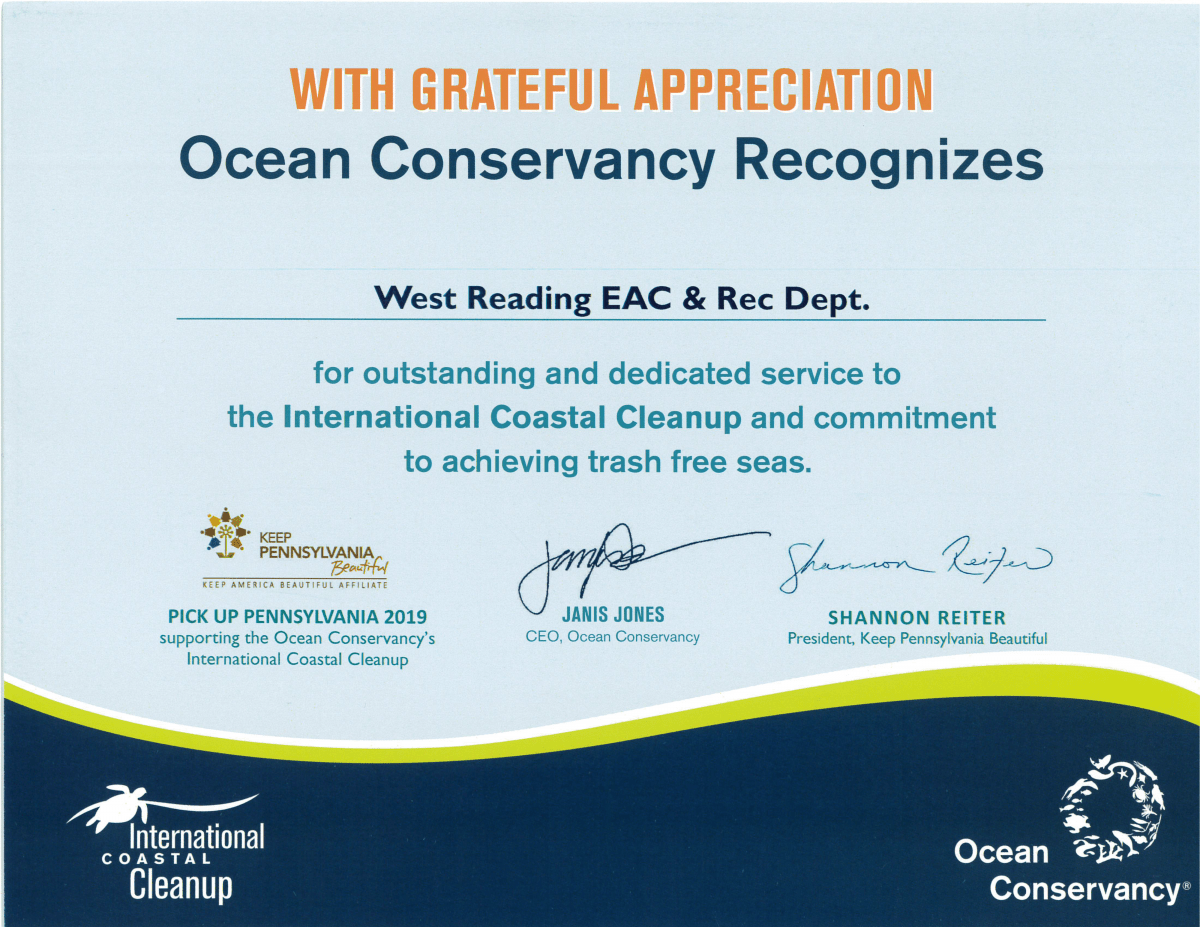
Humans create marine debris. Our trash moves from the streets into storm drains then to the ocean where it becomes a hazard to wildlife and threatens our health and safety as a global community. Plastics, cigarette butts, and other waste materials accumulate in waterways, entangling marine animals, disrupting ecosystems, and leaching toxins into the food chain.
This pollution not only endangers biodiversity but also affects coastal economies, recreational areas, and the quality of seafood consumed worldwide. Preventing marine debris begins with responsible disposal, community education, and sustainable choices that protect both local environments and the planet at large.
1o Ways YOU Can Save Our Seas
- Reduce your carbon footprint
- Be a responsible boater
- Participate in a local waterway cleanup
- Eat sustainable seafood
- Recycle
- Use fewer plastic products
- Use a trash can with a lid
- Use a reusable water bottle
- Spread the word
- Write an elected official
8 Ways YOU Can Use Less Plastic
- Skip the bottled water and use a reusable water bottle
- Avoid using a straw. Straws are one of the top 10 marine debris items found on beaches
- Avoid using microbeads found in face washes and toothpastes. Look at labels for polypropylene and polyethylene
- Buy products made from recycled materials with little or no packaging
- Compost and use fewer garbage bags
- Wear clothing made of non-synthetic fibers. Polyester clothing is made of plastic
- Repair, upgrade or turn in your electronics for recycling
- Choose to carry reusable bags for all your shopping
Our World Ocean Provides
- The air we breathe. The ocean provides over half of the worlds oxygen and stores 50 times more carbon dioxide than our atmosphere.
- Climate regulation. Covering 70% of the earth’s surface, the ocean transports heat from the equator to the poles, regulating our climate and weather patterns.
- Transportation: 76% of all U.S. trade involves some form of marine transportation.
- Recreation. From fishing to boating to kayaking and whale watching, the ocean provides us with so many unique activities.
- Economy. The U.S. ocean economy produces $282 billion in goods and services. Ocean dependent businesses employ almost 3 million people.
- Food. The ocean provides much more than just seafood. Ingredients from the sea are found surprising foods such as peanut butter and soymilk.
- Medicine. Many Medicinal products come from the ocean, including ingredients that help fight cancer, arthritis, Alzheimer’s disease, and heart disease.